
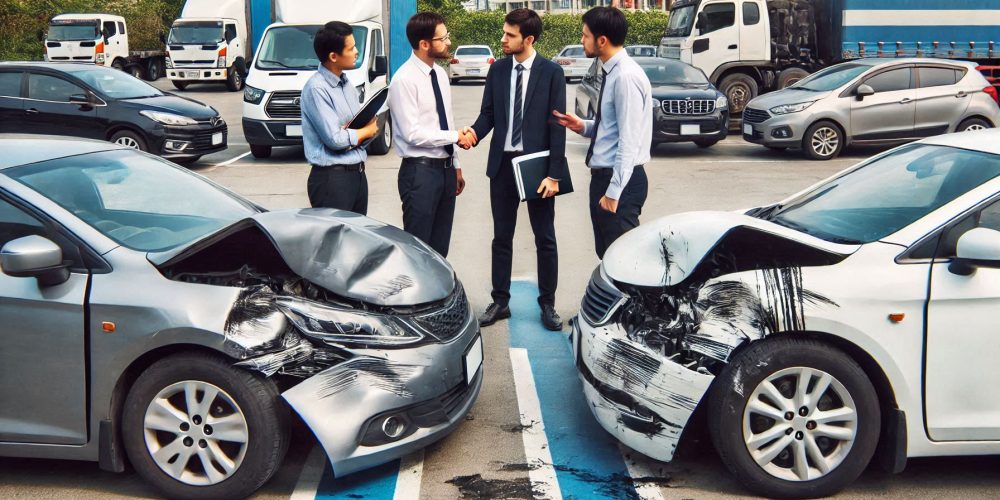
Over the past century, cars have transformed significantly. Engines have become more powerful, and braking and suspension systems have advanced dramatically. Yet, amidst these changes, vehicle safety has remained a constant priority.
Modern vehicles are equipped with cutting-edge safety features to prevent accidents and protect passengers in the event of a crash. However, when accidents happen, is the vehicle solely to blame? To delve deeper, let’s explore safety ratings, crash testing, and the importance of driver responsibility.
Understanding BNCAP: Bharat New Car Assessment Program
BNCAP (Bharat New Car Assessment Program) is India’s voluntary crash-testing program. Unlike mandatory regulations, manufacturers participate in BNCAP to showcase their vehicles’ safety to consumers. While less expensive than global programs like Global NCAP, BNCAP still sets a high benchmark, with a five-star rating being the pinnacle of safety recognition.
BNCAP Testing and Ratings
BNCAP evaluates vehicles on two critical safety parameters:
- Adult Occupant Protection (AOP): Scored out of 32 points.
- Child Occupant Protection (COP): Scored out of 49 points.
The testing includes:
- Frontal Crash: Conducted at 64 km/h.
- Side-Impact Test: Conducted at 54 km/h.
- Pole Side-Impact Test: Conducted at 29 km/h.
To achieve a five-star rating, a vehicle must score:
- Above 27 points in AOP.
- Above 41 points in COP.
Vehicles scoring lower receive fewer stars (e.g., three stars for scores above 16 in AOP and 27 in COP). However, it’s crucial to understand that these tests simulate crashes at specific speeds. Accidents at higher speeds—like the tragic Dehradun incident—can result in far more severe outcomes, underlining that no vehicle can guarantee absolute safety.
Modern Safety Features: Beyond Crash Tests
Today’s cars come equipped with a suite of advanced safety features, including:
- Airbags: Work in tandem with seatbelts to reduce impact injuries.
- Seatbelts: Keep passengers securely restrained during crashes.
- Anti-lock Braking System (ABS): Prevents wheel lock during hard braking.
- Traction Control: Enhances stability on slippery roads.
- Advanced Driver Assistance Systems (ADAS): Provides features like automatic braking, lane-keeping assist, and adaptive cruise control.
While these technologies improve safety, they cannot replace the driver’s role. For instance:
- Airbags alone cannot save lives without the use of seatbelts.
- ADAS assists with driving but requires drivers to remain attentive and in control.
Moreover, child safety is critical. A child should always be restrained in an appropriate seat. Unrestrained children, or those sitting on an adult’s lap, are at serious risk during a collision.
The Role of Drivers in Ensuring Safety
Despite technological advancements, no car is indestructible. Safety ultimately depends on the driver’s behavior. Here are some essential practices to prioritize safety:
- Drive Responsibly: Follow speed limits, obey traffic laws, and avoid distractions.
- Speak Up as a Passenger: If you’re in a taxi or car with a reckless driver, ask them to slow down or consider finding another ride.
- Ensure Proper Restraints: Use seatbelts and child restraints for all passengers.
Conclusion: Safety Starts With You
Automotive safety is a shared responsibility between manufacturers and drivers. While programs like BNCAP and advanced safety features enhance protection, the ultimate responsibility lies with drivers and passengers to act responsibly.
Remember, a single moment of negligence can lead to life-altering consequences. Drive safely, prioritize safety features, and encourage others to do the same. Your vigilance on the road can save lives.