
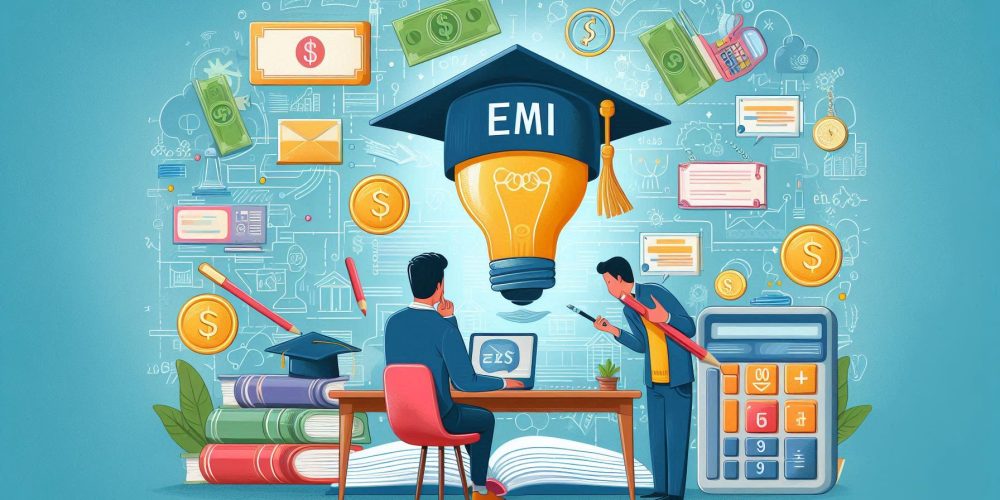
These days, many educational companies are offering EMI (Equated Monthly Installment) options to pay for courses. At first, this might seem like a convenient way to invest in your education without paying everything upfront. But there are some hidden risks that you should be aware of before you decide to opt for EMI.
The Promise of a Better Future
When you get a call from a course agent, they often speak enthusiastically about how their course will help you land a high-paying job and a bright future. They promise great packages, top companies, and success in your career. It sounds really motivating, right?
However, before you sign up for any course, you must ask yourself: Am I truly capable of handling this course? If the course content is too complicated or not aligned with your interests, it can be overwhelming. It’s important to judge whether you can understand and benefit from the course before you commit.
The Risk of EMI for Courses
The problem with opting for EMI for an educational course is that it locks you into a payment plan, even if you decide to drop out of the course later. Here’s how it works:
- When you choose EMI, the bank pays the course provider the full amount upfront.
- The bank then divides the total payment into monthly installments, which you must pay back.
- If you find that the course isn’t right for you or you can’t keep up, you still have to pay the bank every month.
- The course provider gets paid in full, and they don’t offer refunds, even if you decide to quit the course.
So, if you pay for the course using EMI, and then realize it’s not the right fit for you, you’re stuck paying for it without being able to get your money back.
Why EMI for Education is Different from Buying Products
When you buy something like a mobile phone or laptop on EMI, at least you get a physical product. Whether you like it or not, the product is yours. But education is different.
With a course, whether you enjoy it, understand it, or find it useful, you have to keep paying until the EMI is completed. There is no product to hold in your hands or use in your everyday life. You have to continue with the course even if you’re not happy with it, and this can be frustrating.
Should You Avoid EMI for Courses?
We’re not saying that all course providers who offer EMI are scammers. Some of them offer valuable courses that can really help you. However, you need to be cautious. Here are a few things to keep in mind:
- If you’re sure about the course and can afford the EMI, it might work for you.
- If you’re unsure or not fully committed to the course, consider paying upfront (like using UPI or cash) instead. This gives you more flexibility to change your mind if the course isn’t what you expected.
- The internet is a great resource for learning. Many free and affordable courses are available online, and you can gain knowledge without the burden of EMI payments.
The Bottom Line: Is EMI for Education Worth It?
Before you sign up for an educational course with EMI, take a moment to evaluate whether the course is really right for you. Make sure you’re passionate about it and ready to handle the content. If you’re unsure, consider other options like online learning, which is often more affordable and flexible.
Education is important, but it’s also important to be wise with your money. Hard work, dedication, and smart choices will help you succeed, no matter how much you spend on your education.
Key Takeaways:
- EMI for education can be risky because if you drop out, you still have to pay the bank without a refund from the course provider.
- Paying upfront gives you more flexibility if you want to quit the course.
- There are many free or low-cost learning resources available online. Consider these as alternatives to paying for expensive courses.
- Be cautious when choosing a course, and make sure it’s the right fit for your skills and interests.
- Ultimately, hard work and dedication matter more than how much you spend on education.