
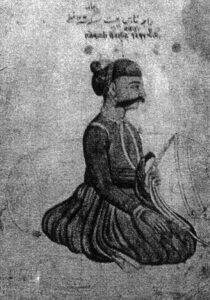
Years before 1857, while most rulers feared the British, one man from Varanasi stood up and said,
“I will not be your puppet.”
That man was Raja Chait Singh – the ruler of Benares (Varanasi). His story is not just about rebellion, but about dignity, betrayal, and resistance.
👑 Who Was Raja Chait Singh?
Chait Singh was a zamindar turned king, ruling Benares under a treaty with the British East India Company.
He was expected to pay taxes and provide troops whenever the Company demanded.
But he refused to be treated like a servant.
💰 What Made Him Rebel?
The British, led by Warren Hastings, kept increasing taxes and demands—troops, money, surveillance.
Chait Singh said enough is enough. He delayed payments, refused to provide soldiers, and began secretly organizing resistance.
He believed, “If we bow now, we will never rise again.”
⚔️ The Clash with the British
In 1781, Hastings himself came to Benares to arrest Chait Singh.
But something shocking happened…
Chait Singh’s guards captured Hastings!
For a brief moment, the most powerful British officer in India was in chains.
But Chait Singh made one mistake—he let Hastings escape, hoping for peace.
The British came back with full force and defeated him. Chait Singh was removed from power and exiled.
🔥 Why His Story Matters
He challenged the British when most Indian rulers were still cooperating.
He stood up for his people, refusing to be a puppet king.
His revolt became an early symbol of resistance in North India.
Many historians call him a forgotten pioneer of India’s freedom movement.
🛑 Real-Life Lesson
Chait Singh teaches us that resistance doesn’t need numbers, it just needs courage.
Even if you stand alone—stand for what’s right.
💬 Bold One-Liners to Remember
🗡️ “Chait Singh jailed a British Governor-General. That’s real courage.”
🏹 “He didn’t wait for a revolt. He became one.”
📜 “Before Gandhi, before Mangal Pandey—there was Chait Singh.”
🙌 Let’s Not Forget Him
India remembers its heroes in parts. But Raja Chait Singh of Varanasi deserves a place in every history book, every heart.
Let’s share his story—not just for pride, but to remind ourselves that standing up to injustice is always Indian tradition.