
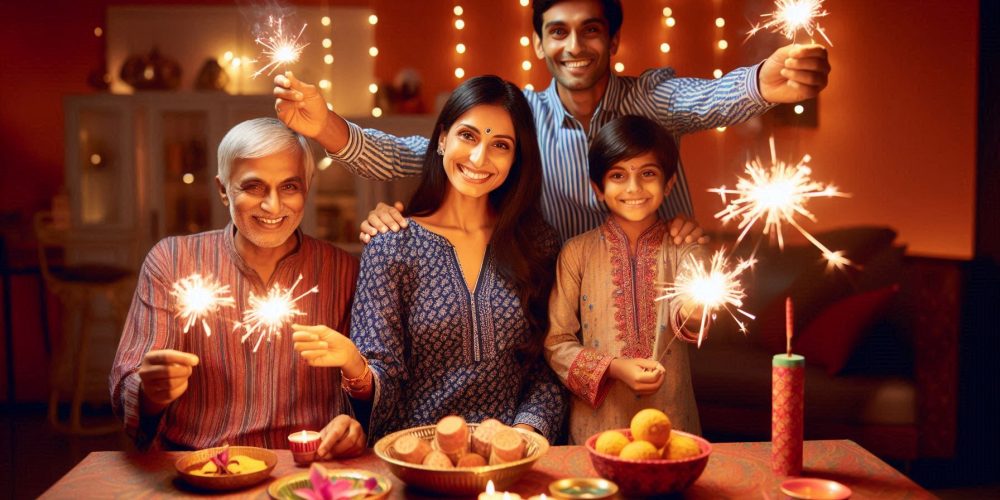
Diwali, also known as the Festival of Lights, is one of the most celebrated festivals in India and among the Indian diaspora worldwide. This vibrant festival symbolizes the triumph of light over darkness and good over evil. It is celebrated with great enthusiasm and joy, marked by various rituals, feasts, and communal gatherings. Diwali falls between mid-October and mid-November, depending on the lunar calendar, and is observed over five days, each with its unique significance.
The Importance of Diwali
Diwali is not just a festival; it holds profound spiritual and cultural significance. Here are some of the key aspects of its importance:
Triumph of Good Over Evil: Diwali commemorates the return of Lord Rama to Ayodhya after defeating the demon king Ravana, symbolizing the victory of good over evil.
Spiritual Renewal: It marks a time for reflection, purification, and renewal. People clean and decorate their homes, signifying the removal of negativity and the welcome of positivity.
Family and Community Bonding: Diwali fosters strong family ties and community spirit. People come together to celebrate, exchange gifts, and share festive meals, strengthening their bonds.
Cultural Heritage: The festival is a celebration of Indian culture and traditions. It showcases the diversity of rituals and customs practiced across different regions of the country.
Economic Activity: Diwali also plays a significant role in boosting the economy, as it involves extensive shopping, home renovation, and the purchase of new items, thus contributing to various sectors.
Celebrations and Festivities
Diwali is celebrated over five days, each day representing different rituals and significance:
Dhanteras: The festival begins with Dhanteras, where people worship Lord Dhanvantari, the god of Ayurveda, and buy new utensils, gold, or silver as a sign of prosperity.
Naraka Chaturdashi (Choti Diwali): This day marks the victory of Lord Krishna over the demon Narakasura. People wake up early, take a holy bath, and light lamps to ward off evil.
Diwali (Lakshmi Puja): The main day of Diwali is dedicated to the worship of Goddess Lakshmi, the goddess of wealth and prosperity. Homes are decorated with oil lamps, rangoli (decorative patterns), and flowers.
Govardhan Puja: The day after Diwali is celebrated as Govardhan Puja, commemorating Lord Krishna’s act of lifting the Govardhan Hill to protect villagers from heavy rains.
Bhai Dooj: The final day of Diwali is Bhai Dooj, a celebration of the bond between brothers and sisters. Sisters pray for their brothers’ well-being, and brothers, in return, give gifts.
Fireworks and Crackers: The Joy and Controversy
Fireworks and crackers are an integral part of Diwali celebrations, symbolizing the victory of light over darkness. The night sky lights up with dazzling displays, and the sound of crackers adds to the festive atmosphere. However, the use of fireworks also raises concerns due to noise pollution, environmental impact, and health issues.
Importance of Fireworks
- Celebration of Light: Fireworks symbolize the joy and vibrancy of the festival, representing the inner light of individuals and the triumph of goodness.
- Tradition: For many, bursting crackers is a long-standing tradition that adds excitement and joy to the celebrations.
Best Practices for Celebrating Diwali Responsibly
To enjoy Diwali while minimizing its negative impacts, consider the following best practices:
Opt for Eco-Friendly Crackers: Choose green crackers that produce less pollution and are environmentally friendly. Many manufacturers now offer eco-friendly options that have lower emissions.
Limit Noise Pollution: Set a reasonable time for bursting crackers to respect the peace of your neighborhood and reduce noise pollution, especially for pets, infants, and the elderly.
Celebrate with Community: Organize community gatherings to celebrate Diwali together. This not only enhances the festive spirit but also helps foster community bonds.
Focus on Decorations: Instead of relying solely on fireworks, enhance your home with decorative lights, diyas (oil lamps), and rangoli designs, which are beautiful and eco-friendly alternatives.
Practice Safety: Always prioritize safety while handling fireworks. Keep a bucket of water or sand nearby, maintain a safe distance, and supervise children during festivities.
Emphasize Cultural Practices: Engage in traditional practices like puja (prayer rituals), singing bhajans (devotional songs), and sharing festive meals, which enrich the Diwali experience beyond just fireworks.
Conclusion
Diwali is a celebration of light, hope, and togetherness. While the use of fireworks adds excitement and joy, it’s essential to celebrate responsibly, keeping in mind the environment and community. By adopting best practices, we can ensure that the festival remains a time of joy and festivity while honoring the cultural heritage it represents.